Friday, March 13 2026 - Good Day!
باچي كيدز
  • Home
  • Arabic
    • Arabic Alphabet
    • Arabic letters with vowel sounds
    • Arabic letter shapes
    • Arabic Activity Sheets
    • Arabic Flashcards
    • Arabic Math
  • English
    • English Alphabet
    • English Worksheets
    • Flash cards
    • Developing childrens skills
    • Math
باچي كيدز
  • Activities
    • Coloring Pages
    • Stories For Kindergarten
    • Puzzles and Games
    • PowerPoint & Canva Template
  • MoreLook
    • Free ebooks & Articles
  • العربية
Home English Worksheets
English WorksheetsFlash cards

Moon Phases for Kindergarten: A Visual Guide for Young Learners

09/10/2025 807 Views
Share: 0FacebookTwitterPinterestTumblrWhatsappTelegramCopy LinkEmail
807

Table of contents

  • Grasping the Basics of Moon Phases for Kindergarten
  • From Full to New: The Waning Moon Phases for Kindergarten
  • The Importance of Teaching Moon Phases for Kindergarten

This educational guide explains the different moon phases for kindergarten students and school-aged learners, breaking down the concepts presented in the provided document. The illustrated document displays the various phases the moon goes through as it orbits Earth, a foundational concept in astronomy. Understanding the moon’s cycle is a key part of early science education, helping kids grasp how objects in space interact and how light affects what we see from our planet. The guide’s simple visuals make it an ideal tool for teaching moon phases for kindergarten students and older children alike.

Grasping the Basics of Moon Phases for Kindergarten

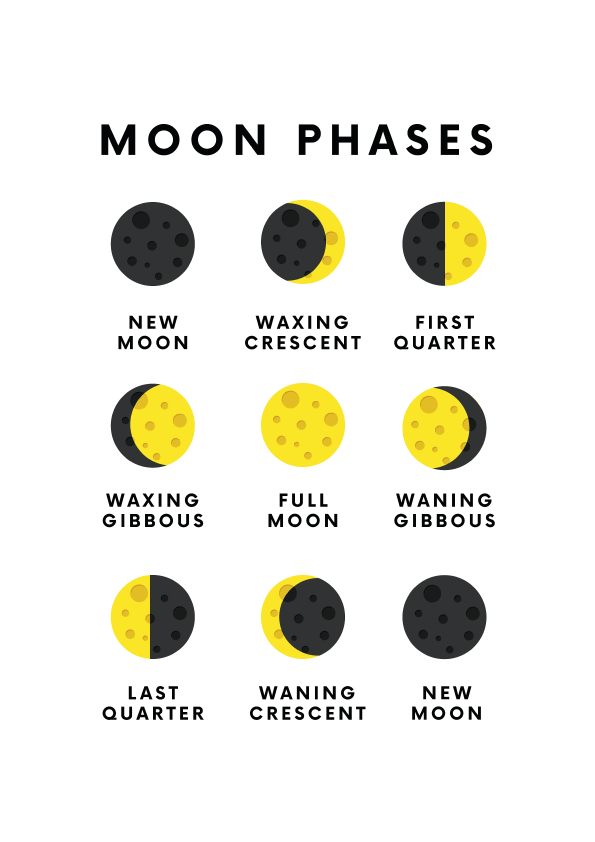
The images in the provided document illustrate the eight moon phases for kindergarten students to learn. The cycle starts and ends with the new moon, where the moon appears completely dark from Earth. Following this, the moon begins to appear as a thin sliver of light during the waxing crescent phase. The term “waxing” means the illuminated portion is growing.

The next phase, the first quarter, shows exactly half of the moon lit up. From there, the moon continues to brighten into a shape known as the waxing gibbous. The climax of this growth is the full moon, when the entire face of the moon is visible and fully illuminated. This part of the cycle is perfect for teaching young children about patterns and the concept of change over time, making it a valuable tool for teaching moon phases for kindergarten students.
Grasping the Basics of Moon Phases for Kindergarten

From Full to New: The Waning Moon Phases for Kindergarten

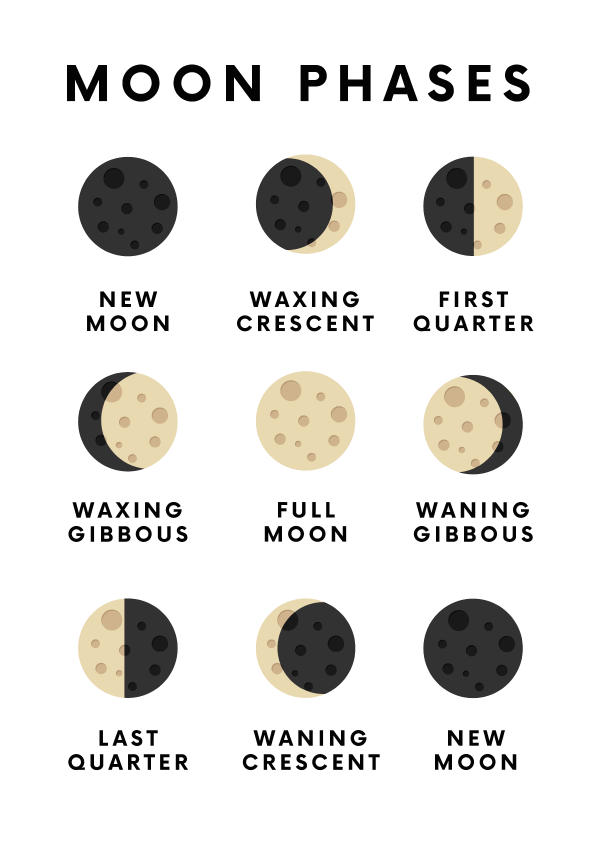
After the full moon, the cycle reverses, and the amount of visible light on the moon begins to decrease. This part of the journey is called “waning”. The waning gibbous is the first phase in this descent, with the moon still mostly lit up but with a noticeable shadow growing on one side. This is followed by the last quarter, where again, half the moon is illuminated, but on the opposite side from the first quarter.

As the moon continues to wane, it becomes a waning crescent, a thin sliver of light that gets smaller each night. The cycle concludes as the moon returns to its completely dark state, the new moon. The repeating pattern makes this an excellent topic for discussing cycles and predictability in nature, making it a valuable tool for teaching moon phases for kindergarten students.
From Full to New: The Waning Moon Phases for Kindergarten

The Importance of Teaching Moon Phases for Kindergarten

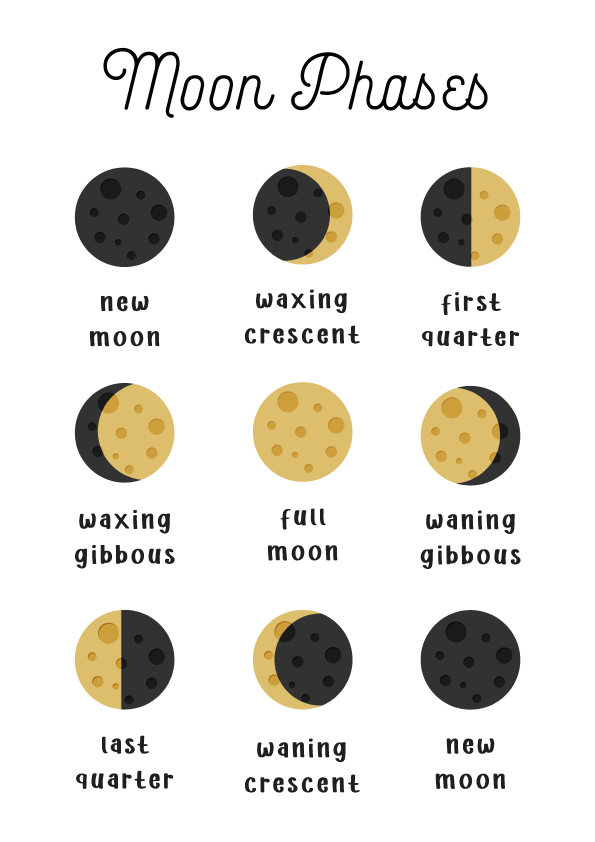
Understanding the moon’s cycle is crucial for young learners because it introduces fundamental scientific concepts in a visually engaging way. The provided document and its clear illustrations serve as an excellent resource for this. By observing the moon’s changes over a month, children can develop observational skills, learn about the Earth-moon system, and understand the relationship between light, shadow, and perception. It also lays the groundwork for more complex topics in astronomy and physics. The repetitive and predictable nature of the moon phases for kindergarten students provides a perfect opportunity to introduce concepts like orbital mechanics and celestial bodies in a simple, memorable format.

ABC for Kindergarten: The Ultimate Visual Resource for Learning the Alphabet
The Importance of Teaching Moon Phases for Kindergarten
Download
Don't miss this
  • Letter tracing worksheets for kindergarten to learn capital and small letters
  • Shapes for Kindergarten: Educational Flashcards to Boost Spatial Reasoning Skills
  • Colors for Preschool Flashcards: Learn Basic Colors Fast
  • Daily Affirmations: Fostering a Positive Mindset in Children
Share: 0 FacebookTwitterPinterestTumblrWhatsappTelegramCopy LinkEmail
Previous
ABC for Kindergarten: The Ultimate Visual Resource for Learning the Alphabet
Next
Weather for Kindergarten: An Introduction to Basic Concepts

Don't miss this

Printable Multiplication Chart for Early Math Learners

05/05/2025

Farm Animals: An Educational Resource for All Ages (12Animals)

09/06/2025

Number pages for kindergarten: A Guide to Counting 1-20

09/11/2025

Tracing for Preschool: A Complete Guide to Fine Motor Skills and Pre-Writing

08/31/2025

Earth Facts for Kindergarten: Exploring the Sun and Planets

09/10/2025

Shapes Posters: A Teacher’s Resource for Kindergarten and School

09/10/2025

Weather for Kindergarten: An Introduction to Basic Concepts

09/10/2025

Printable Multiplication Table Posters for Young Learners

05/05/2025

Free Alphabet Tracing Pages for Kids: Fun Printable Worksheets to Learn ABCs!

11/11/2025

Human Body Systems: Teaching Science in Early Childhood

08/26/2025

Follow us

Youtube Facebook Twitter Instagram Pinterest Email

Popular Posts

  • 1

    The Arabic Letter Ṣād (ص) and Its Forms...

    07/14/2025 4.8K Views
  • 2

    The Arabic Letter Seen (س): Forms and Positions...

    07/14/2025 2.9K Views
  • 3

    Alif Alphabet Arabic Worksheets for Short Vowel Learning

    06/12/2025 2.8K Views
  • 4

    Teaching Children the yaa arabic letter Through Creative...

    06/01/2025 2.6K Views
  • 5

    Arabic Alphabet Noon Activities: Recognize, Write, and Color

    06/01/2025 2.5K Views

Categories

  • Arabic Activity Sheets (46)
  • Arabic Alphabet (28)
  • Arabic Flashcards (26)
  • Arabic letter shapes (28)
  • Arabic letters with vowel sounds (28)
  • Arabic Math (16)
  • Arabic Names worksheets (22)
  • Articles & Books (16)
  • Coloring Pages (27)
  • Developing childrens skills (22)
  • English Alphabet (55)
  • English Letters activities (26)
  • English Worksheets (40)
  • Flash cards (42)
  • Kindergarten Poems (17)
  • Math (35)
  • PowerPoint & Canva Template (31)
  • Puzzles and Games (12)
  • Stories For Kindergarten (43)
  • Word Search (11)

Our educational channel

1 Thumbnail youtube تعليم الحروف العربية لأطفال الروضة - بوربوينت للاطفال 05:01 2 Thumbnail youtube لوحة الحروف الابجدية العربية للروضة - بوربوينت اطفال تفاعلي 01:35 3 Thumbnail youtube حروف اللغة العربية للاطفال تمارين الصوت الأول والأخير للكلمة -... 07:55 4 Thumbnail youtube تعلم الحروف الانجليزية الكبيرة والصغيرة لمرحلة رياض الأطفال والمبتدئين 03:48 5 Thumbnail youtube تعليم الأرقام باللغة العربية من 1 الى 10 - Learning... 03:42 6 Thumbnail youtube تدريبات الارقام بالانجليزي للاطفال | Numbers Exercises From 1 to... 05:39
  • Youtube
  • Facebook
  • Twitter
  • Pinterest
  • About Us
  • Contact
  • Terms of use
  • FAQs
  • Privacy Policy

All Rights Reserved - Pajy Kids - © 2025

باچي كيدز
  • Home
  • Arabic
    • Arabic Alphabet
    • Arabic letters with vowel sounds
    • Arabic letter shapes
    • Arabic Activity Sheets
    • Arabic Flashcards
    • Arabic Math
  • English
    • English Alphabet
    • English Worksheets
    • Flash cards
    • Developing childrens skills
    • Math
باچي كيدز
  • Activities
    • Coloring Pages
    • Stories For Kindergarten
    • Puzzles and Games
    • PowerPoint & Canva Template
  • MoreLook
    • Free ebooks & Articles
  • العربية