Table of contents
Creating a rich learning environment at home doesn’t require complicated tools—sometimes, simple visual aids can make the biggest impact. Preschool wall charts are a wonderful way to introduce young children to foundational concepts like letters, numbers, colors, and more in a natural, engaging way.
Children learn best through repetition, visual exposure, and interaction. When educational visuals are placed in their everyday environment, learning becomes part of their routine rather than a separate task. These types of materials help children absorb information gradually, building confidence and curiosity along the way.
The learning materials shown in provide a comprehensive set of early education topics, making them an excellent resource for parents and educators looking to support early development in a simple and effective way.
What This Activity Teaches Children
Using preschool wall charts introduces children to a wide range of essential early learning concepts. These visuals are more than just decorations they are powerful teaching tools that support multiple areas of development.
Early Literacy Skills
Alphabet charts displaying both uppercase and lowercase letters help children recognize letter shapes and begin associating them with sounds. This is a crucial step toward reading readiness.
Numeracy and Counting
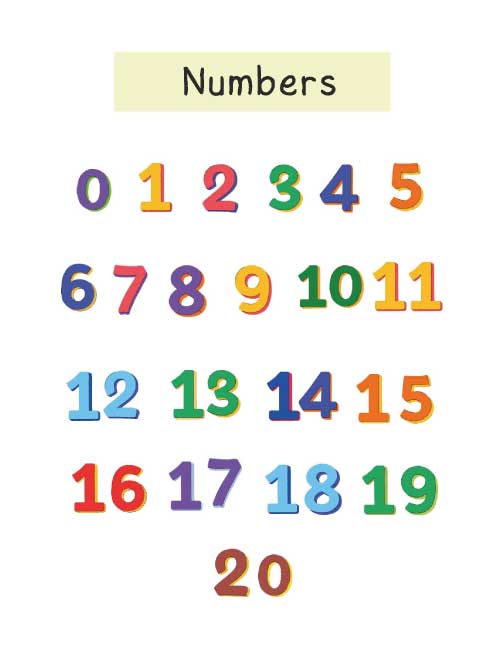
Number charts (such as 0–20) support counting skills and number recognition. Children begin to understand sequences, quantities, and basic mathematical relationships.
Color and Shape Recognition
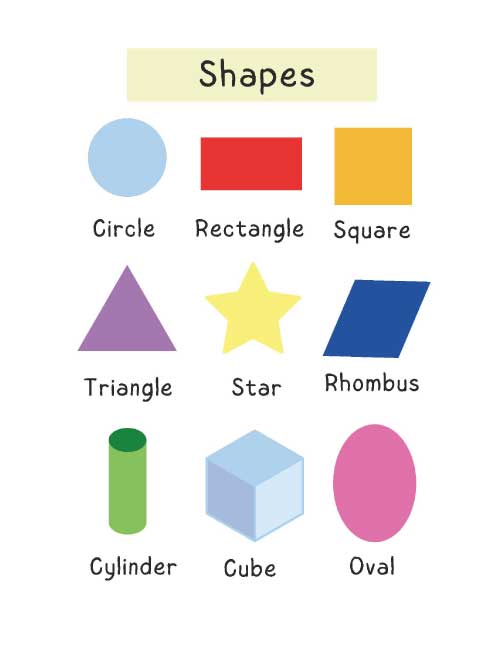
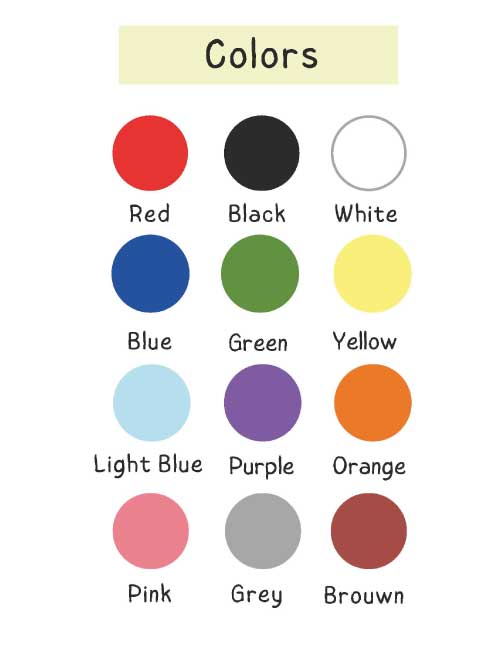
Charts that display colors and shapes help children identify and categorize visual information. Recognizing colors like red, blue, and yellow, as well as shapes like circles and triangles, builds early cognitive organization skills.
Conceptual Understanding
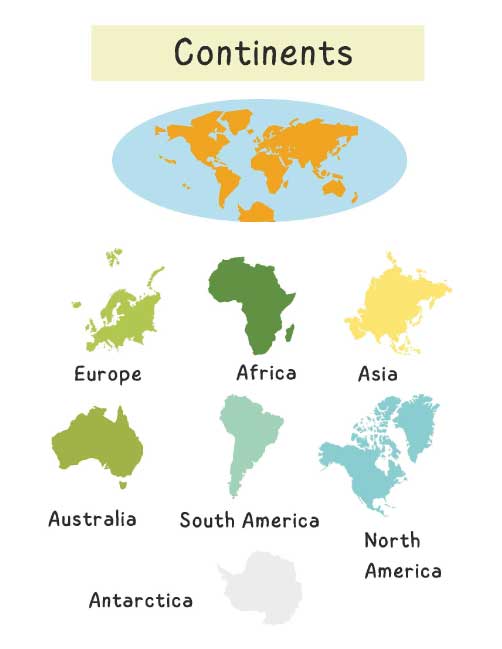
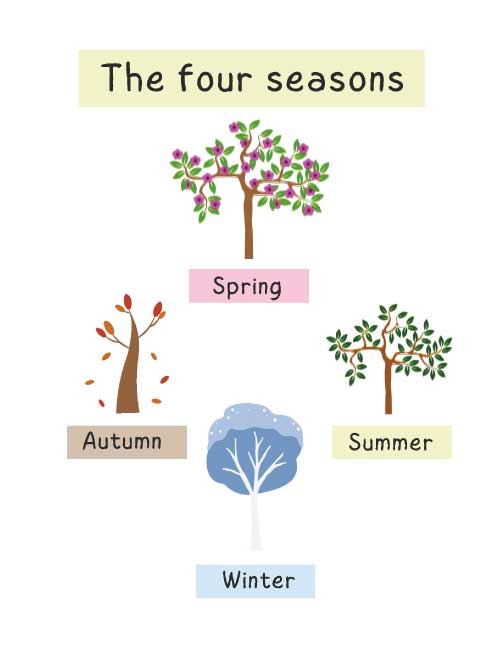
Topics such as sizes (long vs. short), seasons, continents, and days of the week introduce children to broader world knowledge. These concepts help children understand time, space, and their environment.
Early Math Foundations
Simple addition and multiplication tables expose children to mathematical patterns. Even if they don’t fully understand the operations yet, early exposure builds familiarity and confidence.
Language Development
Talking about the charts encourages vocabulary growth. Children learn new words and begin forming sentences as they describe what they see.
Visual Memory and Attention
Frequent exposure to visual information strengthens memory retention and helps children focus on details.
How Parents Can Use This Activity With Their Child
Using preschool wall charts effectively doesn’t require a formal lesson plan. A few simple strategies can turn everyday moments into valuable learning opportunities.
Step 1: Place Charts at Eye Level
Hang the charts where your child can easily see them on a bedroom wall, playroom, or learning corner. Visibility is key to passive learning.
Step 2: Introduce One Topic at a Time
Start with one chart, such as the alphabet or numbers. Allow your child to become familiar with it before introducing additional topics.
Step 3: Talk Through the Charts
Spend a few minutes each day pointing to items and naming them. For example, say, “This is the letter A” or “Can you find the number 5?”
Step 4: Ask Simple Questions
Encourage interaction by asking questions:
- “What color is this?”
- “Can you find a triangle?”
- “What comes after 3?”
Step 5: Repeat and Reinforce
Repetition is essential. Go over the same chart daily in short, engaging sessions.
Step 6: Connect to Real Life
Relate the charts to everyday experiences. For example:
- Count toys using the number chart
- Identify colors in clothing
- Talk about the current season
Tips to Make This Activity Fun
Keeping children engaged is the key to successful learning. Here are some simple ways to make wall chart activities enjoyable:
Keep Sessions Short
Young children have limited attention spans. Aim for 5–10 minute interactions.
Use Movement
Turn learning into a physical activity:
- “Jump to the number 3!”
- “Touch something blue!”
Add Songs and Rhymes
Sing the alphabet song or counting songs while pointing to the charts.
Celebrate Small Wins
Praise your child when they recognize a letter or number. Positive reinforcement builds confidence.
Rotate Focus Areas
Switch between charts to keep things fresh one day focus on colors, the next on shapes.
Ways to Extend the Activity
Once your child becomes familiar with the charts, you can expand learning in creative ways:
Create Matching Games
Ask your child to find objects around the house that match a color or shape from the chart.
Practice Drawing
Encourage your child to draw shapes or write letters they see on the charts.
Storytelling
Use the seasons or continents charts to spark simple stories:
- “What happens in winter?”
- “Who lives on this continent?”
Introduce Simple Math
Use addition tables to practice basic counting:
- “If we have 2 apples and add 1 more, how many do we have?”
Build Daily Routines
Use the days of the week chart to talk about plans:
- “Today is Monday what will we do?”
+500 Fun Ice Breaker Questions for Kids to Build Confidence and Communication Skills
Activity Preview
These learning materials present a colorful and engaging collection of foundational topics designed for young learners. Children are introduced to the alphabet with both uppercase and lowercase letters arranged clearly, making it easy to compare and recognize patterns. Alongside this, number sequences from 0 to 20 are displayed in bright, appealing colors, helping children connect numbers with visual cues.
The materials also include essential early concepts such as colors, shapes, and sizes. Children can see a variety of shapes like circles, triangles, and rectangles, along with descriptive comparisons like long and short. Additionally, broader topics such as the four seasons, continents, and days of the week are presented visually, helping children begin to understand the world around them in a simple and accessible way.
Another valuable component is the introduction to basic math through addition and multiplication tables. While these may seem advanced at first glance, early exposure helps children become comfortable with numbers and patterns over time. Altogether, these materials create a well-rounded learning experience that supports both academic and real-world understanding.
Conclusion
Supporting your child’s early learning doesn’t have to be complicated. Simple tools like preschool wall charts can make a meaningful difference by turning everyday spaces into opportunities for discovery. With consistency, patience, and a playful approach, children can build strong foundational skills that prepare them for future learning.
By incorporating these visual aids into daily routines, you’re not only teaching important concepts—you’re nurturing curiosity, confidence, and a lifelong love of learning.