Table of contents
Helping young children learn about the world around them can be both joyful and meaningful when approached through simple, engaging activities. One of the most effective ways to introduce early concepts like recognizing everyday foods is through hands-on creativity. A fruit coloring activity for kids combines learning and play in a natural way, allowing children to explore familiar fruits while developing essential early skills.
Coloring activities are more than just a way to pass time. They offer children the opportunity to express themselves, improve coordination, and build confidence in a relaxed environment. When the theme revolves around fruits, children also begin to connect visual images with real-life objects they see and eat daily.
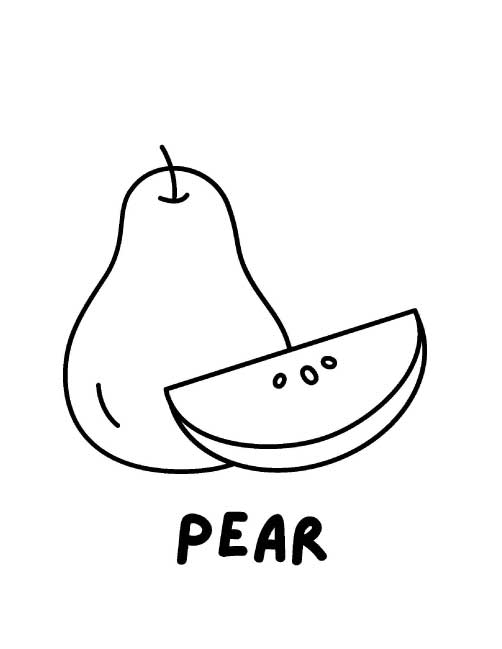
What This Activity Teaches Children
A fruit-themed coloring activity supports several important areas of early childhood development. While it may seem simple, it provides a strong foundation for both academic and life skills.
1. Vocabulary and Word Recognition
Children are introduced to the names of different fruits such as apple, banana, strawberry, and mango. Repeating these names while coloring helps reinforce memory and language development.
2. Visual Recognition Skills
By seeing clear illustrations of fruits, children learn to identify shapes, sizes, and distinguishing features. This helps them recognize fruits in real life, whether at home, in books, or at the grocery store.
3. Fine Motor Development
Holding crayons, pencils, or markers strengthens the small muscles in a child’s hands and fingers. These skills are essential for writing, cutting, and other daily tasks.
4. Color Awareness
Children experiment with colors and begin to understand associations like yellow for bananas or red for strawberries while also being encouraged to use their imagination.
5. Focus and Patience
Completing a coloring activity teaches children to concentrate on a task and follow it through to the end, building attention span and persistence.

How Parents Can Use This Activity With Their Child
Using a fruit coloring activity at home or in a classroom setting is simple and flexible. Here’s a practical way to guide your child through it:
Step 1: Set Up a Comfortable Space
Choose a quiet, well-lit area with enough room for coloring materials. Keep crayons, markers, or colored pencils within easy reach.
Step 2: Introduce the Fruit
Before your child starts coloring, talk about the fruit shown. Ask questions like:
- “Have you eaten this fruit before?”
- “What color do you think it is?”
Step 3: Encourage Coloring
Allow your child to color freely. Avoid correcting their choices too much—creativity is just as important as accuracy at this stage.
Step 4: Talk While They Work
Engage in conversation:
- “This is a watermelon. It’s juicy and sweet.”
- “Bananas are yellow when they are ripe.”
Step 5: Celebrate Their Work
Once finished, praise their effort. Display their artwork on the wall or refrigerator to boost confidence and pride.
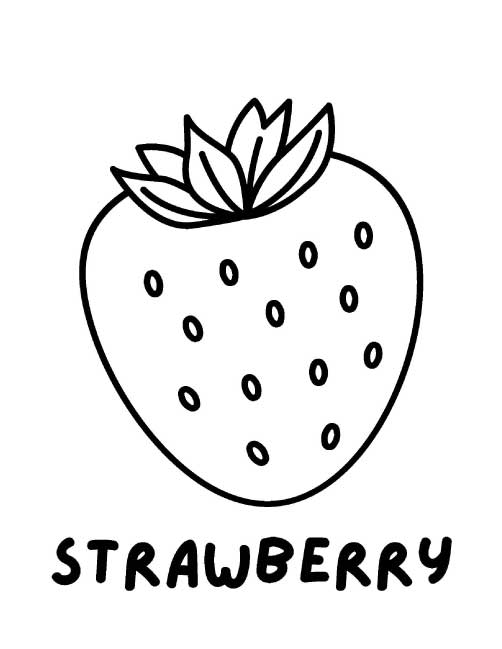
Tips to Make This Activity Fun
Keeping children engaged is key to making learning enjoyable. Here are some ideas to make the activity more exciting:
Use Real Fruits
Bring real fruits into the activity. Let your child touch, smell, or even taste them while coloring. This creates a multisensory learning experience.
Turn It Into a Game
Ask your child to find objects around the house that match the fruit they are coloring. For example, “Can you find something yellow like a banana?”
Play Music
Soft background music can create a relaxed and happy environment, making the activity feel more like play than learning.
Encourage Storytelling
Ask your child to make up a story about the fruit. For example, “Where is this apple going?” or “Who will eat this mango?”
Use Different Tools
Switch between crayons, markers, and even watercolor paints to keep things fresh and exciting.
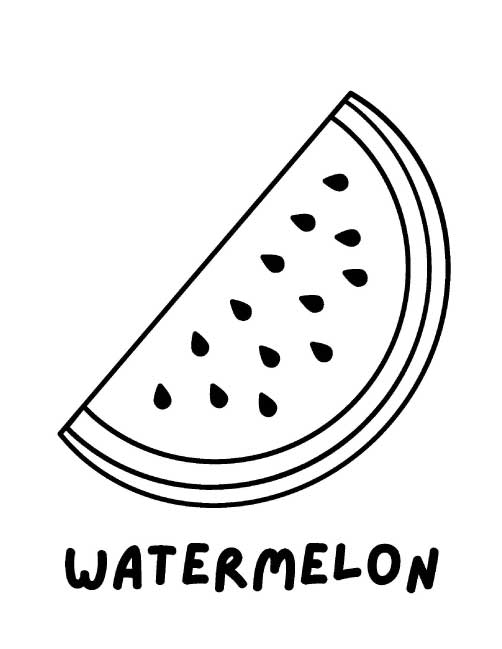
Activity Preview
This activity presents children with clear, simple illustrations of a variety of fruits, each designed to be easily recognizable and engaging. The images focus on familiar fruits like apples, bananas, and strawberries, as well as some less common ones, giving children a broader understanding of the diversity of fruits. The outlines are bold and uncluttered, making them ideal for young learners who are still developing control over their coloring tools.
Fun Princess Coloring Pages for Kids to Build Creativity and Focus
Children are encouraged to fill each fruit with colors of their choice, either matching real-life colors or exploring imaginative combinations. Alongside coloring, they are naturally introduced to the names of each fruit, helping them connect visual recognition with language development. This combination of visual, motor, and verbal engagement makes the activity both educational and enjoyable.
Beyond simple coloring, the activity supports curiosity and exploration. As children work through different fruits, they begin to notice similarities and differences round shapes, seeds, textures which builds early observation skills. It also provides opportunities for parents and teachers to engage in meaningful conversations, turning a quiet activity into an interactive learning experience.
Conclusion
Simple activities often create the strongest foundations for learning. A fruit coloring activity for kids is an easy yet powerful way to combine creativity, language development, and early cognitive skills. By spending a few minutes each day exploring colors and familiar foods, parents can nurture curiosity and confidence in their children.
Remember, it’s not about perfection it’s about connection, exploration, and joy. These small moments of shared learning can have a lasting impact on a child’s growth and love for learning.