Sunday, April 19 2026 - Good Day!
باچي كيدز
  • Home
  • Arabic
    • Arabic Alphabet
    • Arabic letters with vowel sounds
    • Arabic letter shapes
    • Arabic Activity Sheets
    • Arabic Flashcards
    • Arabic Math
  • English
    • English Alphabet
    • English Worksheets
    • Flash cards
    • Developing childrens skills
    • Math
باچي كيدز
  • Activities
    • Coloring Pages
    • Stories For Kindergarten
    • Puzzles and Games
    • PowerPoint & Canva Template
  • MoreLook
    • Free ebooks & Articles
  • العربية
Home Flash cards
Flash cards

Easy Colors Learning for Kids: Fun Activities to Teach Toddlers and Preschoolers

04/19/2026 17 Views
Share: 0FacebookTwitterPinterestTumblrWhatsappTelegramCopy LinkEmail
17

Table of contents

  • What This Activity Teaches Children
    • 1. Color Recognition
    • 2. Vocabulary Development
    • 3. Visual Discrimination Skills
    • 4. Memory and Association
    • 5. Early Reading Skills
    • 6. Focus and Attention
  • How Parents Can Use This Activity with Their Child
    • Step 1: Start with One Color at a Time
    • Step 2: Encourage Repetition
    • Step 3: Make Real-Life Connections
    • Step 4: Ask Simple Questions
    • Step 5: Expand the Learning
    • Step 6: Practice Sorting
    • Step 7: Keep Sessions Short and Fun
  • Activity Preview
  • Conclusion

Helping children learn colors is one of the earliest and most important steps in their educational journey. Colors are everywhere in nature, toys, clothes, and books and recognizing them helps children make sense of the world around them. A well-designed visual learning resource that combines bright colors with familiar objects and animals can make this process both enjoyable and effective.

The material provided offers a playful and structured way for young learners to explore a wide range of colors, from basic ones like red and blue to more advanced shades like teal, maroon, and indigo. By pairing each color with a recognizable object or animal, children can easily associate visual cues with language, strengthening both their cognitive and vocabulary development.
color recognition activities

What This Activity Teaches Children

This learning resource supports several key developmental areas that are essential during early childhood:

1. Color Recognition

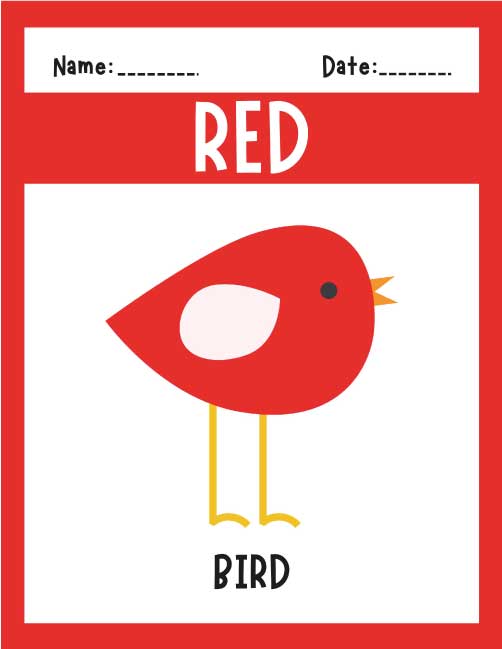
Children are introduced to a broad spectrum of colors. For example, on page 1, a bright red bird helps children associate the word “red” with a vivid visual cue. Similarly, page 11 shows a yellow fish, reinforcing recognition through repetition and imagery.

2. Vocabulary Development

Each page introduces not just a color but also an object or animal. Words like “flamingo,” “dinosaur,” “butterfly,” and “elephant” expand a child’s vocabulary while reinforcing color associations.

3. Visual Discrimination Skills

Children learn to notice differences between similar shades such as violet, purple, and indigo. This sharpens their ability to observe details and categorize visual information.

4. Memory and Association

By linking colors with specific animals or objects like a green turtle (page 12) or a brown bear (page 15)

children build strong memory connections that help them recall information more easily.

5. Early Reading Skills

The consistent layout, with large color words and object labels, supports word recognition. Children begin to connect written words with spoken language and images.

6. Focus and Attention

Simple, uncluttered illustrations help children concentrate on one concept at a time, making learning more effective and less overwhelming.
preschool color learning

How Parents Can Use This Activity with Their Child

Using this resource effectively doesn’t require special training just a little consistency and interaction.

Step 1: Start with One Color at a Time

Sit with your child and explore one page. Say the color out loud and point to the image. For example, “This is red. Look at the red bird.”

Step 2: Encourage Repetition

Ask your child to repeat the color and the object name. Repetition helps reinforce memory and pronunciation.

Step 3: Make Real-Life Connections

After viewing a page, look around your home for similar colors. If you just explored “blue,” ask, “Can you find something blue in this room?”

Step 4: Ask Simple Questions

Engage your child with prompts like:

  • “What color is the fish?”
  • “Can you find another yellow thing?”

Step 5: Expand the Learning

Use toys, crayons, or clothes to reinforce the same colors. Matching activities work especially well.

Step 6: Practice Sorting

Encourage your child to group objects by color. This builds categorization skills and deepens understanding.

Step 7: Keep Sessions Short and Fun

Young children learn best in short bursts. A few pages at a time is enough to keep them engaged without losing focus.
teaching colors to toddlers

Activity Preview

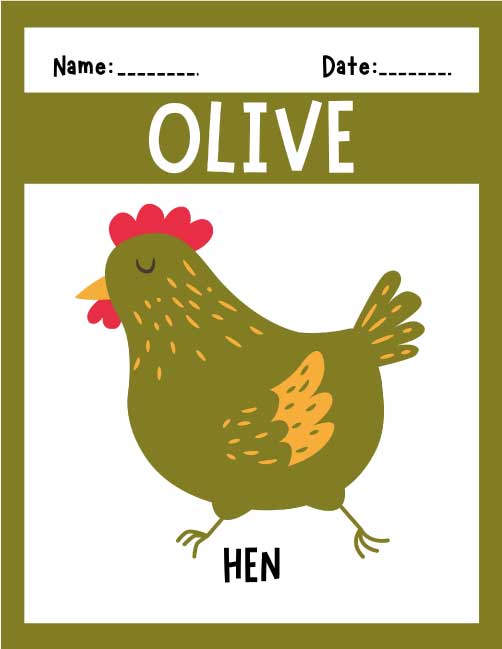
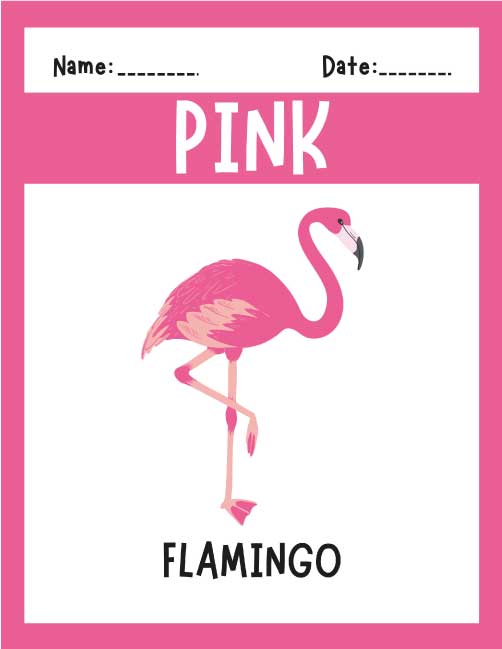
This colorful learning experience takes children on a visual journey through a wide variety of colors, each paired with a friendly and engaging illustration. On one page, a bright pink flamingo stands gracefully, helping children connect the word “pink” with a real-world animal. On another, a teal mouse sits beside a piece of cheese, introducing a less common color in a fun and approachable way. Each page is thoughtfully designed with bold color backgrounds and simple, cheerful illustrations that immediately capture a child’s attention.

Fun Princess Coloring Pages for Kids to Build Creativity and Focus

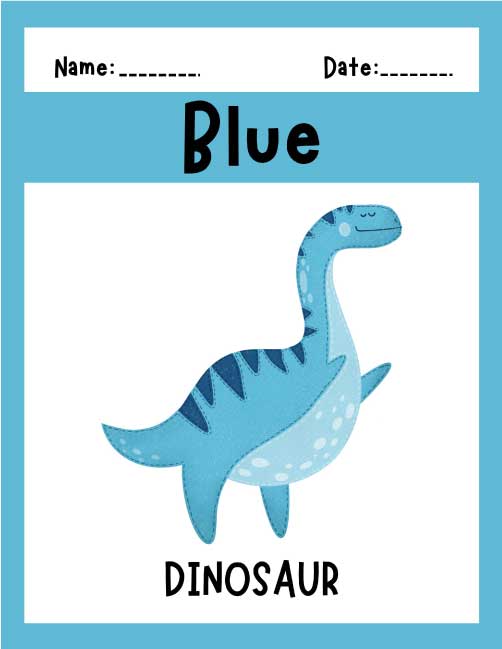
As children move through the pages, they encounter a delightful mix of animals and objects a blue dinosaur, an olive-colored hen, a maroon butterfly, and even a purple cat wearing a festive hat. These playful visuals not only make learning enjoyable but also help children build strong mental associations. The consistent format color name at the top and object name at the bottom provides structure, making it easier for young learners to recognize patterns and build confidence as they progress.
early childhood color skills

Conclusion

Teaching colors doesn’t have to be complicated. With simple, visually engaging materials like this, children can learn naturally through observation, repetition, and play. By taking a few minutes each day to explore colors together, parents and educators can support important developmental milestones while creating meaningful learning moments.

Remember, the goal isn’t perfection it’s exposure, interaction, and enjoyment. When children feel encouraged and curious, learning becomes something they look forward to every day.

pajy kids
Don't miss this
  • Moon Phases for Kindergarten: A Visual Guide for Young Learners
  • Number pages for kindergarten: A Guide to Counting 1-20
  • Printable Human Body Flashcards for Kids’ Language Learning
  • Shapes Posters: A Teacher’s Resource for Kindergarten and School
Coloring PagesColors
Share: 0 FacebookTwitterPinterestTumblrWhatsappTelegramCopy LinkEmail
Previous
Best Preschool Wall Charts for Teaching Kids Letters, Numbers, and More
Next
Fun Human Body Flashcards for Kids to Learn Body Parts Easily

Don't miss this

Farm Animals: An Educational Resource for All Ages (12Animals)

09/06/2025

English Alphabet Letters: Fun and Educational Resources for Kindergarten

09/30/2025

Fractions for Kindergarten: Mastering Basic Concepts with Visuals

09/11/2025

Learn Numbers in English: Creative Poster Activities to Help Children

08/17/2025

Fun Colors for Nursery: Flashcards Set, 24 Pages

11/02/2025

Daily Affirmations: Fostering a Positive Mindset in Children

09/10/2025

Comprehensive Educational Learning Posters for Kids: Shapes, Numbers, Alphabet, and More

08/29/2025

Moon Phases for Kindergarten: A Visual Guide for Young Learners

09/10/2025

Sea Animals: A Learning Resource for Classrooms

09/07/2025

Relaxation Techniques for a Calm Classroom

09/11/2025

Follow us

Youtube Facebook Twitter Instagram Pinterest Email

Popular Posts

  • 1

    The Arabic Letter Ṣād (ص) and Its Forms...

    07/14/2025 5.1K Views
  • 2

    The Arabic Letter Seen (س): Forms and Positions...

    07/14/2025 3.7K Views
  • 3

    Alif Alphabet Arabic Worksheets for Short Vowel Learning

    06/12/2025 3.1K Views
  • 4

    Teaching Children the yaa arabic letter Through Creative...

    06/01/2025 2.9K Views
  • 5

    Arabic Alphabet Noon Activities: Recognize, Write, and Color

    06/01/2025 2.7K Views

Categories

  • Arabic Activity Sheets (46)
  • Arabic Alphabet (28)
  • Arabic Flashcards (26)
  • Arabic letter shapes (28)
  • Arabic letters with vowel sounds (28)
  • Arabic Math (16)
  • Arabic Names worksheets (22)
  • Articles & Books (16)
  • Coloring Pages (32)
  • Developing childrens skills (28)
  • English Alphabet (55)
  • English Letters activities (31)
  • English Worksheets (54)
  • Flash cards (45)
  • Kindergarten Poems (17)
  • Math (40)
  • PowerPoint & Canva Template (37)
  • Puzzles and Games (18)
  • Stories For Kindergarten (57)
  • Word Search (11)

Our educational channel

1 Thumbnail youtube تعليم الحروف العربية لأطفال الروضة - بوربوينت للاطفال 05:01 2 Thumbnail youtube لوحة الحروف الابجدية العربية للروضة - بوربوينت اطفال تفاعلي 01:35 3 Thumbnail youtube حروف اللغة العربية للاطفال تمارين الصوت الأول والأخير للكلمة -... 07:55 4 Thumbnail youtube تعلم الحروف الانجليزية الكبيرة والصغيرة لمرحلة رياض الأطفال والمبتدئين 03:48 5 Thumbnail youtube تعليم الأرقام باللغة العربية من 1 الى 10 - Learning... 03:42 6 Thumbnail youtube تدريبات الارقام بالانجليزي للاطفال | Numbers Exercises From 1 to... 05:39
  • Youtube
  • Facebook
  • Twitter
  • Pinterest
  • About Us
  • Contact
  • Terms of use
  • FAQs
  • Privacy Policy

All Rights Reserved - Pajy Kids - © 2025

باچي كيدز
  • Home
  • Arabic
    • Arabic Alphabet
    • Arabic letters with vowel sounds
    • Arabic letter shapes
    • Arabic Activity Sheets
    • Arabic Flashcards
    • Arabic Math
  • English
    • English Alphabet
    • English Worksheets
    • Flash cards
    • Developing childrens skills
    • Math
باچي كيدز
  • Activities
    • Coloring Pages
    • Stories For Kindergarten
    • Puzzles and Games
    • PowerPoint & Canva Template
  • MoreLook
    • Free ebooks & Articles
  • العربية