Table of contents
Helping children understand their bodies is one of the earliest and most important steps in building self-awareness and basic science knowledge. Learning about body parts not only supports vocabulary development but also helps children communicate their needs, understand movement, and develop confidence in their own bodies.
Human body flashcards offer a simple yet powerful way to introduce these concepts to young learners. With clear visuals and focused content, they make learning approachable, interactive, and fun. Whether you’re a parent, homeschooler, or kindergarten teacher, this type of activity can easily become part of your daily routine.
What This Activity Teaches Children
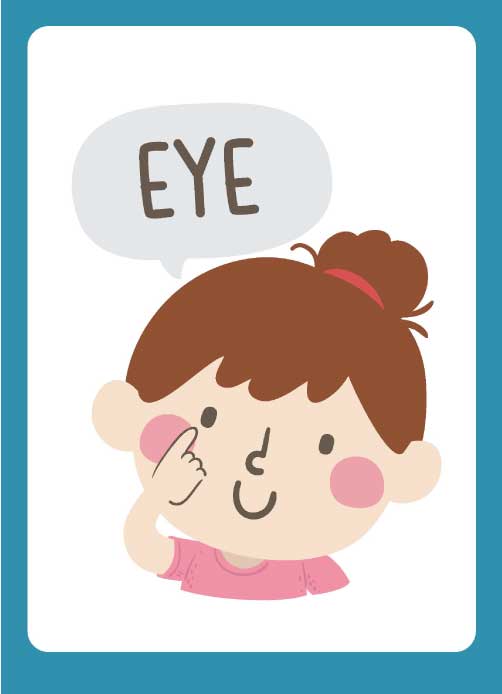
Human body flashcards provide a strong foundation for early childhood learning. Through repeated exposure and playful interaction, children begin to recognize, name, and understand different parts of the body.
Body Awareness and Vocabulary
Children learn to identify body parts such as arms, legs, feet, and head. This builds essential language skills and helps them describe themselves and others more clearly.
Early Science Understanding
This activity introduces basic anatomy in a very age-appropriate way. Children begin to understand that their body is made up of different parts that work together.
Observation Skills
By looking closely at the illustrations, children practice noticing details and making connections between images and real-life body parts.
Fine Motor Development
If children point, trace, or match parts while using the flashcards, they strengthen hand-eye coordination and fine motor control.
Confidence and Communication
Knowing body parts helps children express needs like “my arm hurts” or “I can jump with my legs,” which supports both emotional and physical awareness.
How Parents Can Use This Activity With Their Child
Using human body flashcards is simple and flexible. You can adapt the activity depending on your child’s age and interest level.
Step 1: Start With Familiar Parts
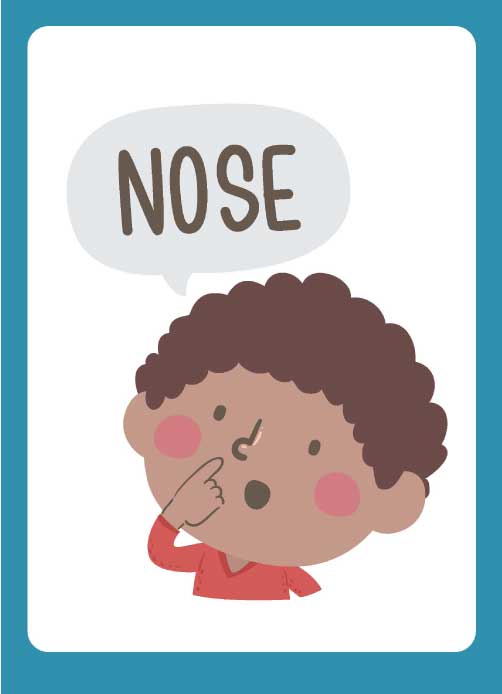
Begin with body parts your child already recognizes, such as hands, feet, and head. Show the flashcard and say the name clearly.
Step 2: Connect to Real Life
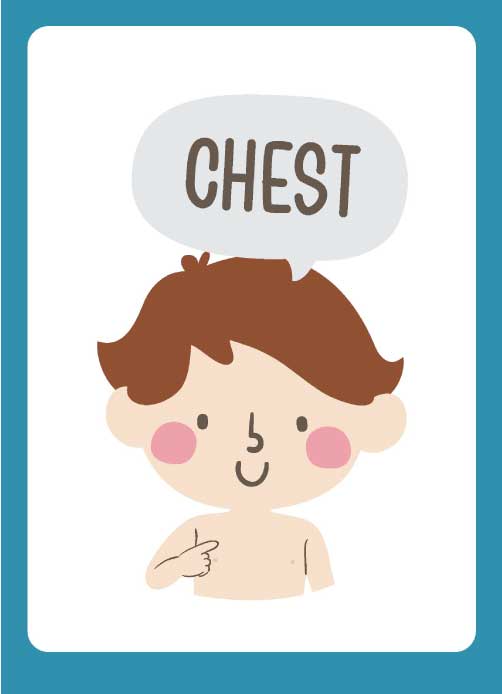
After showing a card, ask your child to point to that same body part on themselves. For example, “Where is your arm?”
Step 3: Repeat and Reinforce
Repetition is key. Go through the cards regularly and encourage your child to say the names out loud.
Step 4: Ask Simple Questions
Turn learning into a conversation:
- “What do we use our legs for?”
- “Can you wiggle your fingers?”
Step 5: Keep Sessions Short and Playful
Young children learn best in short bursts. Spend 5–10 minutes per session to keep them engaged.
Tips to Make This Activity Fun
Children learn best when they’re enjoying the process. Here are some simple ways to make flashcard learning more exciting:
Use Movement
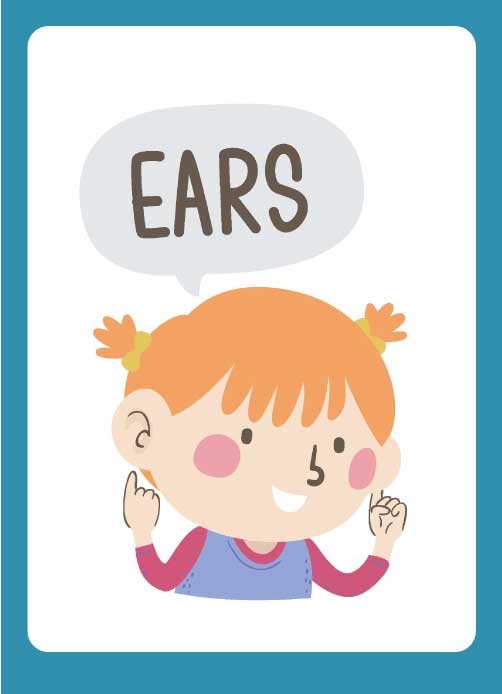
Ask your child to move the body part shown on the card jump with legs, wave hands, or nod their head.
Turn It Into a Game
Lay out a few cards and call out a body part. Let your child pick the correct one.
Add Songs and Rhymes
Incorporate familiar songs like “Head, Shoulders, Knees, and Toes” while using the flashcards.
Use a Mirror
Let your child look at themselves in a mirror while identifying body parts. This builds self-recognition and curiosity.
Celebrate Small Wins
Clap, cheer, or give a high-five when your child correctly identifies a body part.
Activity Preview
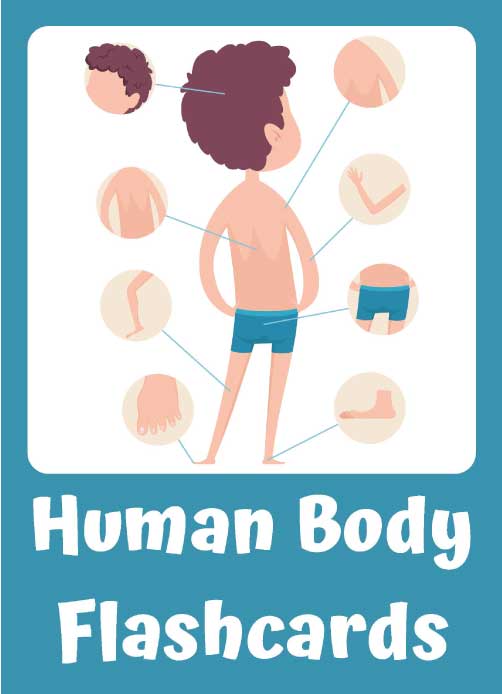
This activity features a child-friendly illustration of the human body, surrounded by highlighted body parts such as the head, arm, leg, foot, and torso. Each part is visually connected to the main figure, helping children clearly see where each body part belongs. The design is simple, colorful, and easy for young learners to understand, making it ideal for early education.
Fractions for Kindergarten: Mastering Basic Concepts with Visuals
Children are encouraged to look at the main figure and then focus on the smaller highlighted sections that emphasize individual body parts. This visual breakdown supports recognition and memory by isolating each part while still showing how it connects to the whole body. The activity invites children to observe, identify, and eventually name each part, building both confidence and foundational knowledge in a gentle and engaging way.
Conclusion
Teaching children about their bodies doesn’t need to be complicated. Simple tools like human body flashcards can create meaningful learning moments that support language, confidence, and early science skills. By keeping the experience playful and interactive, you help your child build a strong foundation while enjoying the process together.
Small, consistent activities like this can make a big difference over time. With just a few minutes each day, you’re helping your child understand themselves and the world around them in a positive and engaging way.