Table of contents
Helping children stay organized, focused, and emotionally balanced can feel overwhelming, especially for parents of kids who struggle with attention and routine. That’s where a thoughtfully designed ADHD planner for kids can make a meaningful difference. Instead of relying on reminders and constant guidance, children learn to manage their own time, tasks, and emotions in a structured yet flexible way.
Planners like this are more than simple scheduling tools. They support the development of executive functioning skills, which include planning, memory, emotional control, and self-monitoring. When children use these tools consistently, they begin to feel more confident, independent, and capable in their daily lives.
What This Activity Teaches Children
An ADHD planner introduces children to a wide range of essential life skills through structured, visual, and repeatable activities.
1. Time Management and Organization
Daily schedule pages (as seen on pages 15–21) guide children to map out their day hour by hour. This helps them understand how time works and how to allocate it effectively between school, play, and rest.
2. Task Completion and Responsibility
Sections like the homework checklist and weekly chore planners encourage children to track responsibilities. By checking off completed tasks, they build a sense of accountability and accomplishment.
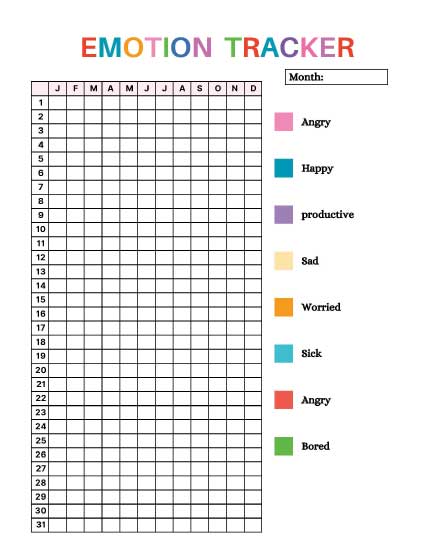
3. Emotional Awareness and Regulation
The emotion tracker (page 6) invites children to reflect on feelings like happiness, sadness, worry, or boredom. This practice builds emotional intelligence and helps children recognize patterns in their mood.
4. Goal Setting and Problem Solving
Pages such as goal breakdowns and 30-day challenges teach children how to break big goals into smaller, manageable steps. This nurtures persistence and strategic thinking.
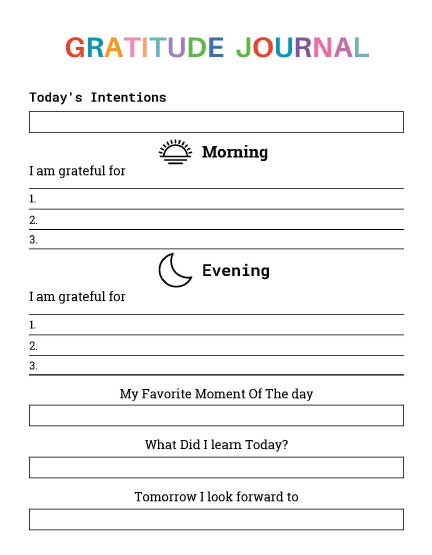
5. Self-Reflection and Gratitude
The gratitude journal (page 9) encourages children to think about what they appreciate and what they learned each day. This promotes a positive mindset and emotional resilience.
How Parents Can Use This Activity With Their Child
Introducing a planner works best when it becomes part of a daily routine rather than a one-time activity.
Step 1: Start Small
Begin with one or two sections, such as the daily checklist or routine planner (page 13). Avoid overwhelming your child with the entire system at once.
Step 2: Create a Consistent Time
Choose a regular moment each day—morning or evening—to fill out the planner together. Consistency is key to building habits.
Step 3: Model the Process
Sit with your child and demonstrate how to write tasks, track emotions, or plan the day. Children learn best through observation.
Step 4: Encourage Independence
Gradually allow your child to take ownership. Let them decide what to include in their to-do list or how to describe their feelings.
Step 5: Review Together
At the end of the day or week, review what was completed. Celebrate progress rather than focusing on what wasn’t done.
Tips to Make This Activity Fun
Keeping children engaged is essential for long-term success.
Use Colors and Stickers
Encourage your child to decorate their planner with colors or stickers. For example, they can use different colors for school tasks, chores, and fun activities.
Turn It Into a Game
Challenge your child to complete a certain number of tasks or fill out sections consistently for a week. Offer small rewards for effort and consistency.
Personalize It
Sections like “All About Me” (page 12) allow children to express their identity, preferences, and personality. This makes the planner feel uniquely theirs.
Keep Sessions Short
Especially for younger children, limit planner time to 5–10 minutes to maintain focus and prevent frustration.
Activity Preview
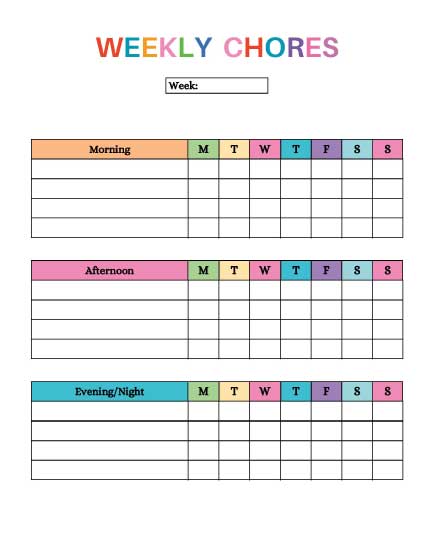
This ADHD planner is a comprehensive, child-friendly system designed to help children organize different aspects of their daily lives. It includes structured layouts for routines, chores, schoolwork, emotions, and personal growth. For example, children can fill in their daily schedule by assigning activities to specific times, track their homework using checklists, and monitor their feelings through an emotion chart that visually represents different moods.
Educational Easter Activities for Kids: Fun Puzzles, Word Searches & Creative Play
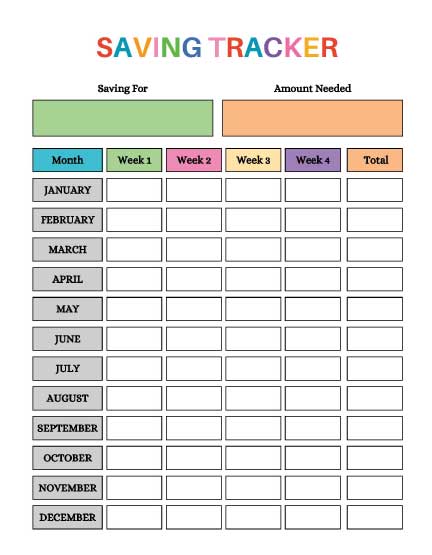
In addition to practical planning tools, the planner also includes reflective and creative sections. Children can write what they are grateful for, set goals, track habits like water intake, and even plan savings over time. These elements work together to create a balanced system that supports both productivity and emotional well-being. The visual structure and repeated formats help children feel secure and confident as they build routines.
Conclusion
Supporting your child’s organization and emotional growth doesn’t require complicated systems or strict routines. A simple, structured ADHD planner for kids can gently guide them toward independence, confidence, and self-awareness. By using it consistently and with encouragement, you’re not just helping your child stay on track, you’re giving them tools they will carry into every stage of life.