Table of contents
Children are naturally curious about the world around them, and insects are often among the most fascinating creatures they encounter. From fluttering butterflies to buzzing bees, these tiny animals spark wonder and imagination. Using insect coloring pages for kids is a simple yet powerful way to nurture that curiosity while supporting early childhood development.
Coloring activities centered around bugs and insects not only provide creative fun but also help children build essential skills. With engaging illustrations featuring butterflies, bees, and garden scenes , children can explore nature from the comfort of home or classroom. This type of activity is especially valuable for preschoolers and early learners who are developing fine motor control and visual awareness.
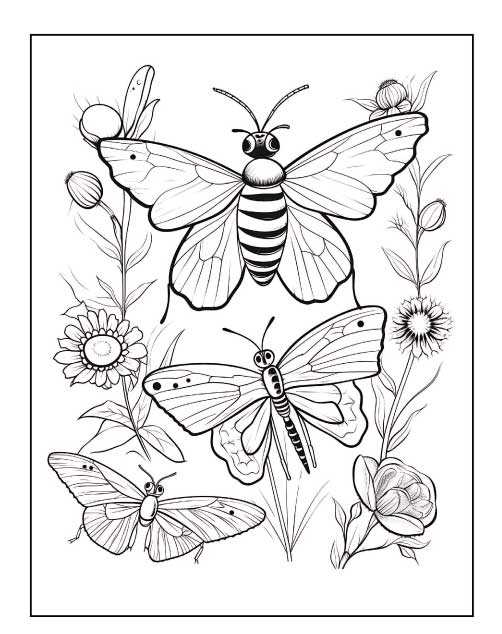
What This Activity Teaches Children
Insect-themed coloring activities offer much more than just entertainment. They support a wide range of developmental and educational skills:
Fine Motor Development
Holding crayons, pencils, or markers and staying within lines helps strengthen the small muscles in children’s hands. This is crucial for later skills like writing and drawing.
Creativity and Self-Expression
Children can choose their own colors and experiment with patterns. A butterfly doesn’t have to be realistic it can be bright pink, rainbow, or covered in imaginative designs.
Focus and Concentration
Coloring encourages children to slow down and pay attention to details. Completing a picture helps build patience and persistence.
Early Science Awareness
As children color different insects—such as butterflies, bees, and beetles they begin to recognize and differentiate between them. This builds early knowledge of nature and biology.
Visual Recognition Skills
Repeated exposure to shapes, wings, antennae, and body parts helps children identify common features of insects.
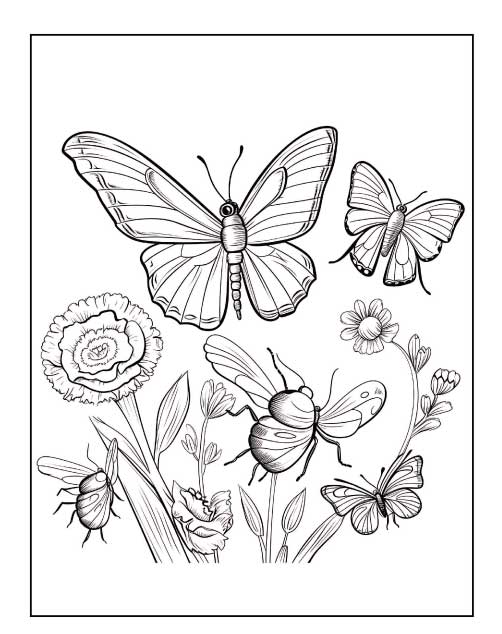
How Parents Can Use This Activity With Their Child
Using insect coloring activities at home or in a learning environment is easy and flexible. Here’s a simple approach:
Step 1: Set Up a Comfortable Space
Choose a quiet, well-lit area with a table or flat surface. Provide crayons, colored pencils, or washable markers.
Step 2: Introduce the Insects
Before starting, talk briefly about the insects shown. For example:
“Look at this butterfly—do you see its wings?”
This builds curiosity and vocabulary.
Step 3: Encourage Independent Coloring
Allow your child to color freely without strict rules. The goal is creativity, not perfection.
Step 4: Talk While Coloring
Engage in conversation:
- “What colors are you using?”
- “Where do you think this insect lives?”
This supports language development.
Step 5: Display Their Work
Celebrate their effort by displaying finished artwork on a wall or fridge. This builds confidence and pride.
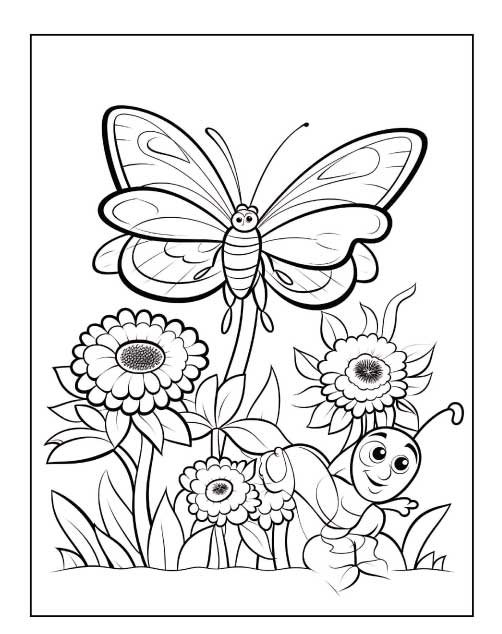
Tips to Make This Activity Fun
Keeping children engaged is key. Here are some practical ideas to make bug coloring activities even more enjoyable:
Use Real-Life Inspiration
Show pictures of real insects or observe them outside. This makes the activity more meaningful.
Add Storytelling
Turn the insects into characters. For example:
“This butterfly is flying to a flower garden—what happens next?”
Play Background Music
Soft music can create a relaxing and enjoyable atmosphere for coloring.
Offer a Variety of Materials
Try crayons one day, markers another, or even watercolor paints for older children.
Keep Sessions Short and Positive
Young children have short attention spans. 10–20 minutes is often enough.
Easy Fruit Coloring Activities for Preschoolers to Learn and Play
Activity Preview
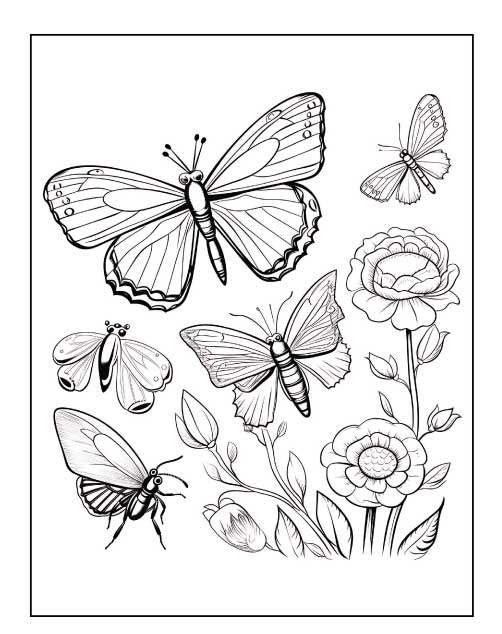
This activity features a variety of detailed yet child-friendly illustrations of insects, including butterflies, bees, and other garden bugs. The images often show insects surrounded by flowers, creating a calm and inviting scene for children to explore through coloring . Some illustrations are more realistic, while others include cute, cartoon-style insects with expressive faces, making them especially appealing to younger children.
Children are encouraged to fill these black-and-white drawings with colors of their choice. They can experiment with patterns on wings, choose bright or soft colors for flowers, and even create imaginative versions of real insects. This freedom helps build confidence while also supporting artistic development. The variety of designs ensures that children of different ages and skill levels can enjoy the activity at their own pace.
Conclusion
Simple activities like insect coloring can have a big impact on a child’s development. They combine creativity, learning, and relaxation in a way that feels natural and enjoyable. Whether you are a parent, homeschooler, or teacher, incorporating insect coloring pages for kids into your routine is an easy way to support fine motor skills, spark curiosity about nature, and create meaningful moments together.
With just a few basic materials and a little encouragement, you can turn everyday coloring time into a rich learning experience your child will love.