Table of contents
Helping young children learn the alphabet is one of the most important early steps in their educational journey. Before children can read or write, they need to recognize letters, understand their sounds, and connect them to familiar objects. Simple, engaging activities make this process both effective and enjoyable.
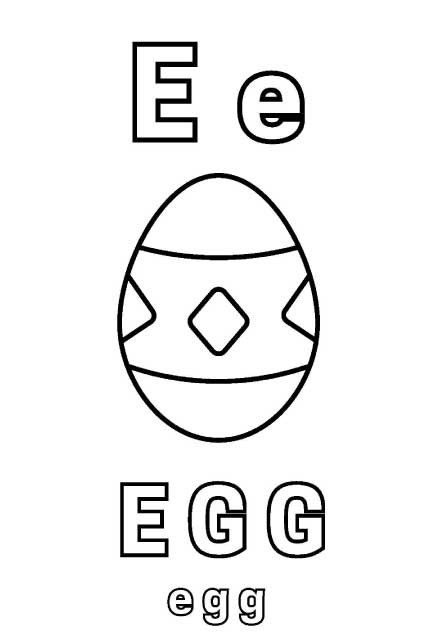
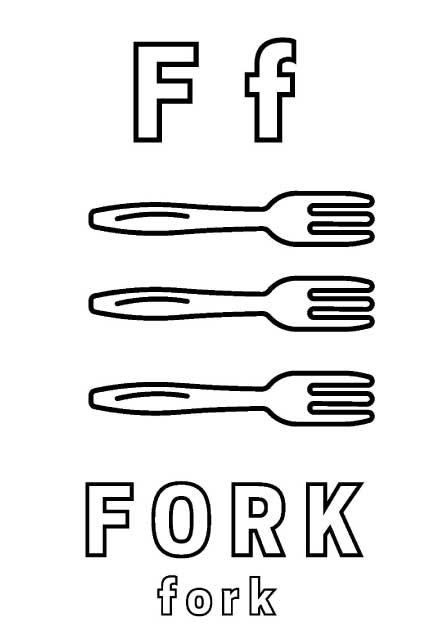
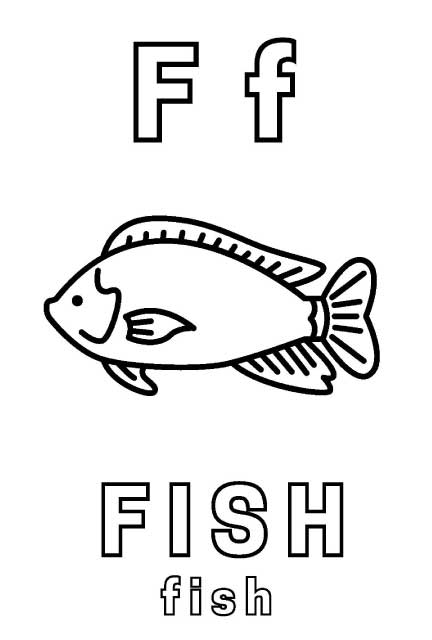
Alphabet coloring pages for preschool offer a gentle, playful way to introduce letters while keeping children engaged. By combining visual learning with hands-on coloring, children naturally absorb letter shapes, sounds, and vocabulary. The materials provided present a full A–Z collection where each letter is paired with a recognizable object, creating a strong foundation for early literacy.
What This Activity Teaches Children
Alphabet coloring activities are much more than just fun they support multiple areas of early childhood development.
Letter Recognition
Each page introduces uppercase and lowercase versions of a letter alongside a corresponding word (such as “A for ant” or “B for ball”). This repeated exposure helps children identify letters quickly and confidently.
Phonics Awareness
By associating letters with words and images, children begin to understand that letters represent sounds. For example, seeing “C” with “crab” reinforces the /k/ sound.
Vocabulary Building
Children are introduced to everyday objects and animals—from “dog” and “fish” to “umbrella” and “zebra.” This expands their vocabulary naturally through visual context.
Fine Motor Skills
Coloring requires hand control, grip strength, and coordination. These skills are essential for writing later on.
Focus and Attention
Completing a coloring activity encourages children to sit, concentrate, and follow through on a task—important habits for school readiness.
Confidence Development
When children successfully recognize a letter or complete a page, they experience a sense of accomplishment that motivates further learning.
How Parents Can Use This Activity With Their Child
You don’t need a complicated plan to make the most of alphabet coloring pages. A simple, consistent approach works best.
Step 1: Introduce One Letter at a Time
Start with a single letter. Show both uppercase and lowercase forms and say the letter name clearly.
Step 2: Say the Word Together
Read the word associated with the letter (for example, “K for kitten”). Encourage your child to repeat it.
Step 3: Talk About the Image
Discuss the picture. Ask questions like:
- “Have you seen a kitten before?”
- “What sound does ‘kitten’ start with?”
This builds connection and understanding.
Step 4: Color the Page
Let your child color freely. Focus on enjoyment rather than perfection.
Step 5: Reinforce the Letter Sound
Repeat the letter sound during coloring:
“/k/ /k/ kitten starts with K.”
Step 6: Review Before Moving On
Before introducing a new letter, quickly review previous ones to strengthen memory.
Tips to Make This Activity Fun
Keeping children engaged is key. Here are simple ways to make alphabet coloring even more enjoyable:
Use Different Coloring Tools
Switch between crayons, markers, or colored pencils to add excitement.
Add Movement
After finishing a page, act out the word. Hop like a rabbit, crawl like a snail, or pretend to play a drum.
Turn It Into a Game
Ask your child to find other objects around the house that start with the same letter.
Celebrate Small Wins
Praise effort rather than perfection:
“You did a great job coloring the lion!”
Keep Sessions Short
Young children learn best in short bursts 10 to 15 minutes is often enough.
Activity Preview
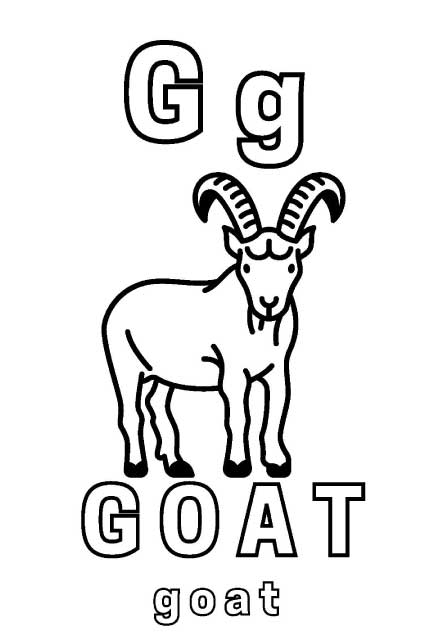
This alphabet coloring activity presents each letter from A to Z in a clear and engaging format. Every page features both uppercase and lowercase letters alongside a simple word and an illustration that matches the letter sound. For example, children see “A a” paired with “ant” or “B b” with “ball,” making it easy to connect letters with familiar objects.
+70 Fun Insect Coloring Activities for Kids: Boost Creativity and Learning
The visuals are bold and easy to recognize, which helps preschoolers focus on both the letter shape and the image. As children color, they naturally spend more time observing the letter and repeating the associated word. This repetition strengthens memory and builds early reading skills without pressure or frustration. Over time, children begin to recognize patterns in letters and sounds, laying the groundwork for independent reading.
Conclusion
Teaching the alphabet doesn’t have to be complicated. With simple tools like alphabet coloring pages for preschool, you can create meaningful learning moments right at home. These activities combine creativity, repetition, and play three powerful ingredients for early learning.
By spending just a few minutes each day exploring letters together, you’re helping your child build confidence, develop essential skills, and take their first steps toward reading. Small, consistent efforts truly make a big difference in a child’s educational journey.